
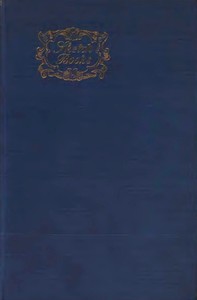
The Paris Sketch Book of Mr. M. A. Titmarsh; and the Irish Sketch Book by Thackeray
Let's clear something up first: this isn't one story with a beginning, middle, and end. It's two collections of travel writing and social observation, published together. Thackeray, writing as his alter ego Michael Angelo Titmarsh, acts as our tour guide.
The Story
The Paris Sketch Book is like a literary stroll. Titmarsh takes us to art galleries, theaters, and cafes. He introduces us to characters—real and imagined—from struggling painters to fashionable society ladies. He reviews plays, pokes fun at French habits (and English ones), and shares anecdotes that feel like overheard gossip in a smoky room.
The Irish Sketch Book is a different journey. Here, Titmarsh travels by coach and mail car across Ireland in 1842. The tone shifts. He describes stunning landscapes and crumbling castles, but he also doesn't look away from the desperate poverty of the rural poor. He attends a lively country fair, visits grand estates, and listens to people's stories, capturing a nation on the brink of catastrophe with a mix of sympathy and clear-eyed reporting.
Why You Should Read It
You read this for Thackeray's voice. It's conversational, packed with sly humor, and wonderfully human. He gets annoyed by bad food, impressed by a beautiful view, and genuinely moved by suffering. He's not a detached historian; he's a guy trying to make sense of what he sees. The books are a brilliant snapshot of two worlds: the artistic, self-conscious world of Paris and the complex, troubled reality of Ireland. You get history from the ground level, filtered through a first-rate mind that hasn't yet become a literary monument.
Final Verdict
This is a perfect pick for readers who love history but find some classics too dense. It's for anyone who enjoys travel writing with real personality. If you like the idea of Anthony Bourdain's shows or Bill Bryson's books, but set in the 1840s, you'll connect with Thackeray's style. It's also a must for fans of his later novels, as you see the sharp observer practicing his craft. A word of caution: it's not a page-turning thriller. It's a book to savor in pieces, like having a series of fascinating chats with a time-traveling companion.
This masterpiece is free from copyright limitations. Share knowledge freely with the world.
Elizabeth Sanchez
1 year agoUsed this for my thesis, incredibly useful.
Joseph Jackson
1 year agoGood quality content.
Kenneth Moore
1 year agoLoved it.
Ashley Nguyen
8 months agoHaving read this twice, the narrative structure is incredibly compelling. One of the best books I've read this year.

Emma Miller
10 months agoGreat read!