
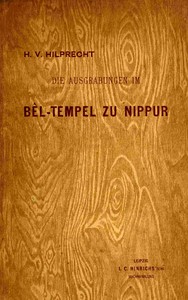
Die Ausgrabungen der Universität von Pennsylvania im Bêl-Tempel zu Nippur
Let's set the scene: it's the late 19th century, and the University of Pennsylvania sends expeditions to a remote, sun-baked mound in what is now Iraq. This isn't just any dig site; it's Nippur, the religious heart of ancient Sumer. Their target? The massive, mud-brick temple complex dedicated to Bêl (also known as Enlil), the king of the gods. Hermann Hilprecht's book is his detailed, personal record of those digs.
The Story
There isn't a traditional plot with characters in the fiction sense. The 'story' is the excavation itself. Hilprecht walks us through the painstaking process: mapping the huge, confusing site, directing local work crews, and the daily thrill (and frequent disappointment) of finding things. They uncover thousands of cuneiform tablets—ancient library records, letters, and religious texts—alongside cylinder seals, statues, and the very foundations of the temple. The narrative tension comes from the immense challenges: deciphering the site's layout, preserving fragile finds, and the constant pressure to deliver results back to the sponsors in Philadelphia. It's a ground-level view of archaeology in its pioneering, and sometimes messy, early days.
Why You Should Read It
You get a raw, unfiltered look at how history is literally unearthed. Hilprecht isn't a detached observer; he's a passionate, opinionated participant. Reading his account, you feel the dust, the frustration of a false lead, and the electric excitement of a major find. It makes you appreciate every ancient artifact in a museum differently, knowing the story behind its recovery. Beyond the dirt and tablets, the book is a fascinating snapshot of a bygone era of exploration, complete with its own ambitions and controversies.
Final Verdict
This is a niche but utterly captivating read. It's perfect for history buffs who want to go beyond textbook summaries and stand shoulder-to-shoulder with the excavators. If you're fascinated by ancient Mesopotamia, the origins of archaeology, or just love real adventure stories, you'll find a lot to dig into here. Be warned, it's a product of its time in style and perspective, but that's part of what makes it such a compelling primary source. Think of it as the director's commentary for one of history's greatest discovery stories.
This is a copyright-free edition. You are welcome to share this with anyone.
Ashley Nguyen
1 year agoFive stars!
Amanda Williams
6 months agoEssential reading for students of this field.
Elizabeth Wright
1 year agoClear and concise.






Daniel Rodriguez
2 months agoSolid story.