
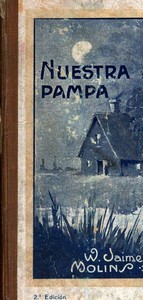
Nuestra Pampa; libro de lectura by W. Jaime Molins
Let's be clear from the start: 'Nuestra Pampa' is not a storybook. Published in 1919, it's a 'libro de lectura'—a school reader used to teach children in Argentina how to read. But don't let that textbook label fool you. Within its pages is the blueprint of a nation's heart and mind.
The Story
There's no single narrative. Instead, think of it as a collection of building blocks. Author Wenceslao Jaime Molins assembled short stories, fables, poems, and patriotic speeches. You'll meet noble gauchos showing courage on the plains, read about the heroic deeds of General San Martín, and find simple lessons on honesty and hard work. The 'characters' are often ideals: the brave soldier, the diligent student, the respectful child. The 'plot' is the steady, gentle instruction of a child, guiding them from basic literacy to an understanding of their duty to family, country, and the vast Argentine landscape itself.
Why You Should Read It
Reading this today is a unique experience. It's less about literary flair and more about cultural archaeology. The book has a clear, almost urgent mission. Argentina was a nation of immigrants, and 'Nuestra Pampa' was a tool to create a shared identity. Every lesson about the beauty of the Pampas or the glory of the flag was a stitch in the fabric of a new patriotism. I found it moving in its simplicity. It doesn't argue or debate; it presents a vision of Argentine life as a settled, positive fact. You see what virtues were prized (bravery, piety, industry) and what the national mythology looked like at a grassroots level. It's the voice of a country talking to its youngest citizens, telling them who they are and who they should be.
Final Verdict
This book is a niche treasure, but a profound one. It's perfect for history buffs, educators, or anyone with Argentine heritage who wants to understand the cultural air their grandparents breathed. If you're looking for a fast-paced plot, look elsewhere. But if you're curious about how ideas shape a society, and you enjoy holding a piece of the past in your hands, 'Nuestra Pampa' is a quiet, revealing read. It shows us that sometimes, the most powerful stories are the ones we use to teach our children who they are.
This text is dedicated to the public domain. You are welcome to share this with anyone.
Kevin Sanchez
1 year agoI came across this while browsing and the pacing is just right, keeping you engaged. Absolutely essential reading.
Emily Sanchez
1 year agoI didn't expect much, but the plot twists are genuinely surprising. Highly recommended.
James Thomas
1 year agoI stumbled upon this title and the depth of research presented here is truly commendable. A valuable addition to my collection.
Mason Gonzalez
1 year agoHelped me clear up some confusion on the topic.